Stairs

Our main floor to second floor stairs were carpeted. During demo they tore out all the carpet and I found some wood stair treads under the carpet. We were really hoping we could update the stairs to be wood with a runner instead of fully carpeted, but apparently this is a “whole thing”. There are a lot of code restrictions around stairs (including step height, width, depth, hand rails, landings, and variation between steps etc). According to my measurements our existing stairs are already pushing the height limit so if we start trying to rebuild them theoretically we could fail inspection so we are best off just working with what we have. Sometimes you can put a thin veneer or cover piece over the top of existing stair treads to quickly update them, but between the existing height and the problem with matching the veneers with the existing floors, I don’t think this will be and easy fix.

The bottom few steps and landing were modified more recently and are made of plywood with just a bullnose piece of real wood added on for the edge.
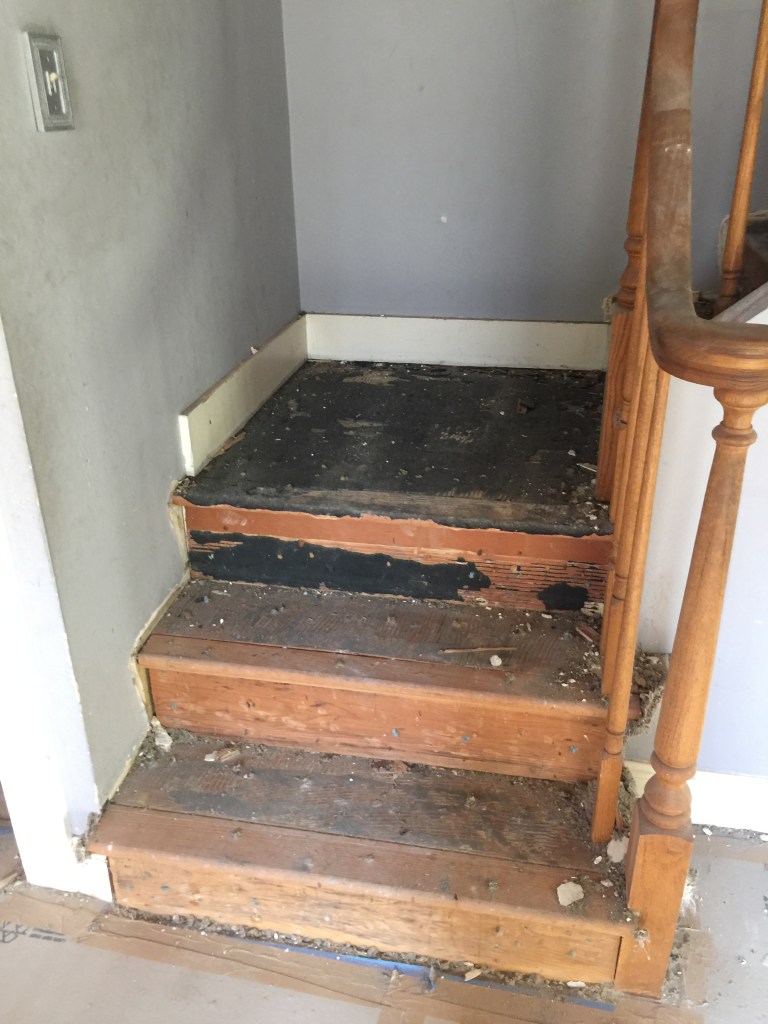
I sanded down a few of the upper steps to see what we were working with after I pulled all the nails and staples and scraped off the adhesive and carpet padding. **Yes I did this myself, the workers probably think I am crazy, but I just had to know if we could use the existing wood stairs and my contractor kept saying it was too hard or would be too expensive. We are running out of money so I just got in there and got a little dirty!
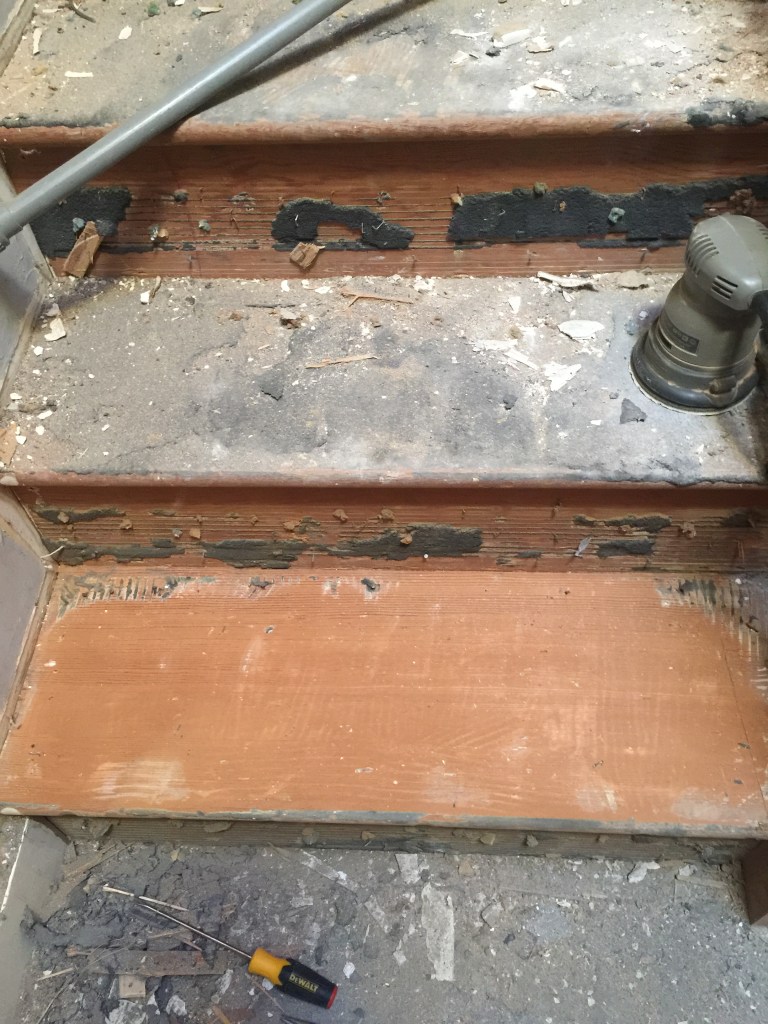
The remaining 11 steps are all solid wood… I thought it looked like red oak, but my contractor said it was pine. I will consult with a professional wood floor installed to get the final verdict.

Either way it looks like our choices are:

1) finish cleaning up all steps and replace landing and bottom two step treads with wood to match remaining steps, then stain (if wood is amenable and will match close enough to main flooring) or paint white, and install carpet runner (for safety and to cover up what will inevitably be imperfect stairs).

2) if option 1 won’t work, just re-carpet the whole thing like it was before and forget about it.

HVAC

We have been back and forth and up and down about the HVAC design for this house. Original plans just called for a single unit in the basement in the fancy new furnace nook we built. Contractor wanted us to install two units: on upstairs and one down. This is more efficient because less ducting (especially no vertical ducting all the way from the basement to second floor). This is more expensive, but would be great to have a really good working system.

UNFORTUNATELY… the contractor did not measure new attic space– there is no room for the unit in the attic so he wants to take over my linen closet. This is bad for 5 reasons: 1) I wanted a linen closet! 2) this costs more and our budget is already busted after overages on windows 3) the HVAC unit has to have ventilation so would have to have a weird vented door which would look ugly next to the other normal doors 4) the HVAC closet would be sharing the wall with my bedroom meaning I would have to hear the furnace rumble on and off all night and 5) I am irrationally uncomfortable with have a gas appliance right next to my bedrooms.

So back to the one unit plan.

Furnace Options: Now, there is the option to design a system with zones (i.e. electronic dampers in the duct system that allow for separate thermostats for upstairs and downstairs). I scoured the internet for info and advice on this and my conclusions is that a variable speed furnace (no bypass needed) with 2 zones is the best option. HVAC installer doesn’t seem to think bypass is a big deal, but all comments on the web consider it a recipe for disaster–I later found out that per the Herrs Inspection Guidelines bypass are NOT ALLOWED because they are incredibly inefficient.

AC unit: the actual AC unit has to sit outside and because our side yard is so narrow we need a special low decibel unit per Palo Alto city code.

Return Air: You need to have a approximately 20 x 20 vent in the house that pulls the air back into the system to avoid negative pressure build up. Since we moved the furnace location and had to install new foundation footings it is harder for the HVAC installer to use the old location (in the living room). Again, I scoured the internet for advice and got a lot of variable information. We had some discussion about putting it up high on the wall near the ceiling but, no matter how functional it might be, it seems terribly ugly. We compromised on a return in the floor of the family room.

I didn’t realize this was so complicated, and that HVAC design was so important for function–I would have liked to get a couple alternative estimates/advice from reputable HVAC companies. Really crossing my fingers that this will work come the first 95 degree day next summer!

UPDATE: We were almost ready to install the single unit when I started second guessing the HVAC contractor’s suggestions. Luckily I was able to talk to a couple people over the phone and one guy from another comapny even came over to give me a quick assessment. He determined that we really don’t have room for the large ducting required to install one unit with the proper air volume to actually cool the upstairs. The new HVAC contractor suggested a heat pump upstairs (for heating and cooling) which solves my closet problem. The heat pump is requires less room and less venting so we can place it in the attic. Most expensive solution but should be more straightforward to install and will be much more effective and efficient. We will just use a smaller traditional gas furnace in the furnace nook for the ground floor heating needs.

Framing

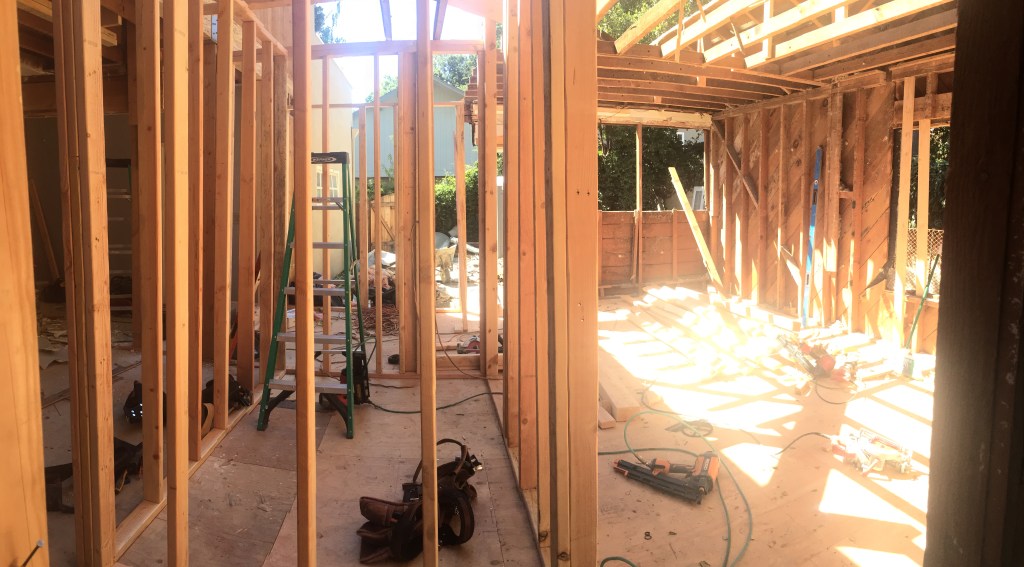
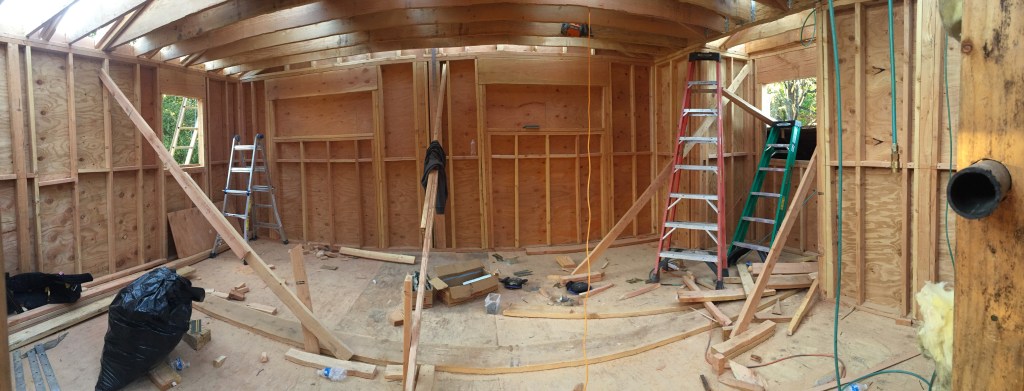
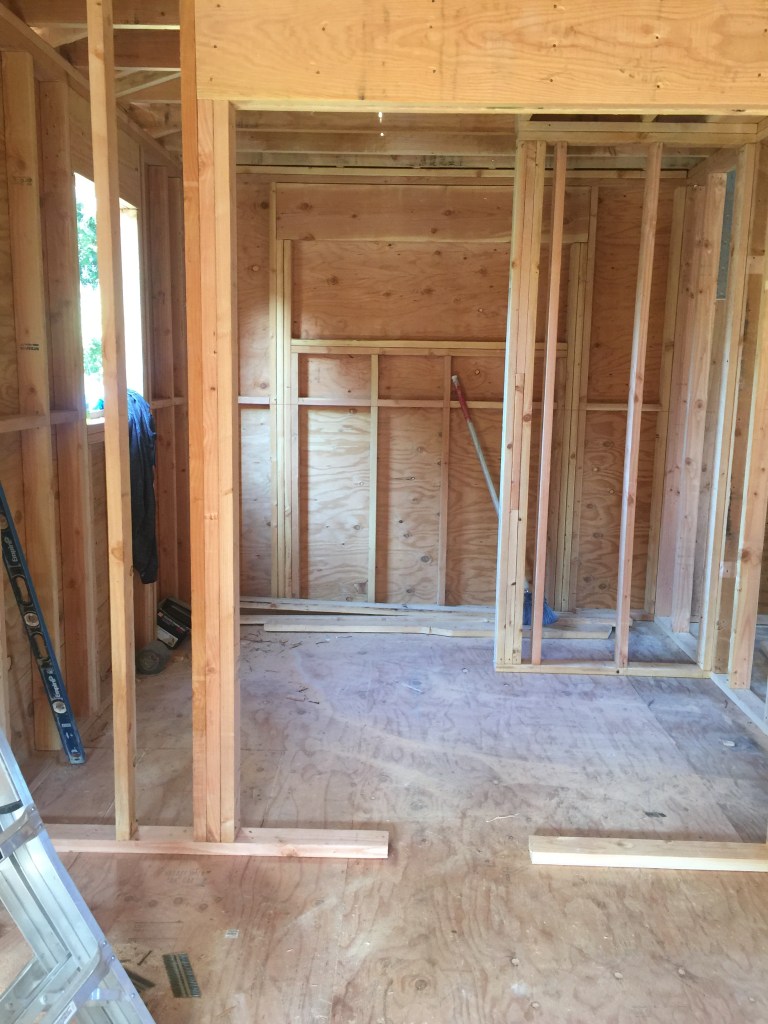
The walls are going up! This whole process took about a month.

First they put the new main level floor joists in.

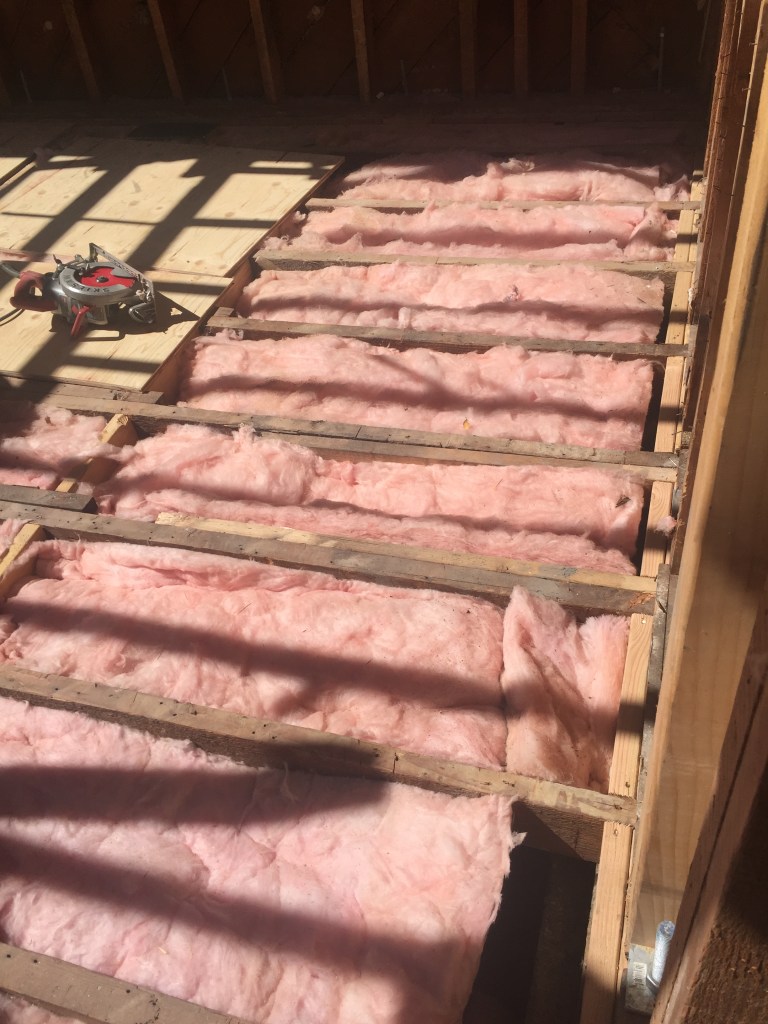
Then they installed insulation.

Plywood over the insulation for the subfloor. We had all kind of leveling issues between the many remodels on this house so had to use taller floor joists for the second floor and double layer of plywood on the ground floor to make sure we didn’t have to add any little steps between the existing house and the addition.

Then they started the main floor walls.

Window framing and second level floor joists.

Framed around the foundation walls in the basement and frame the closet around the structural support posts.

Second level subfloor and walls.

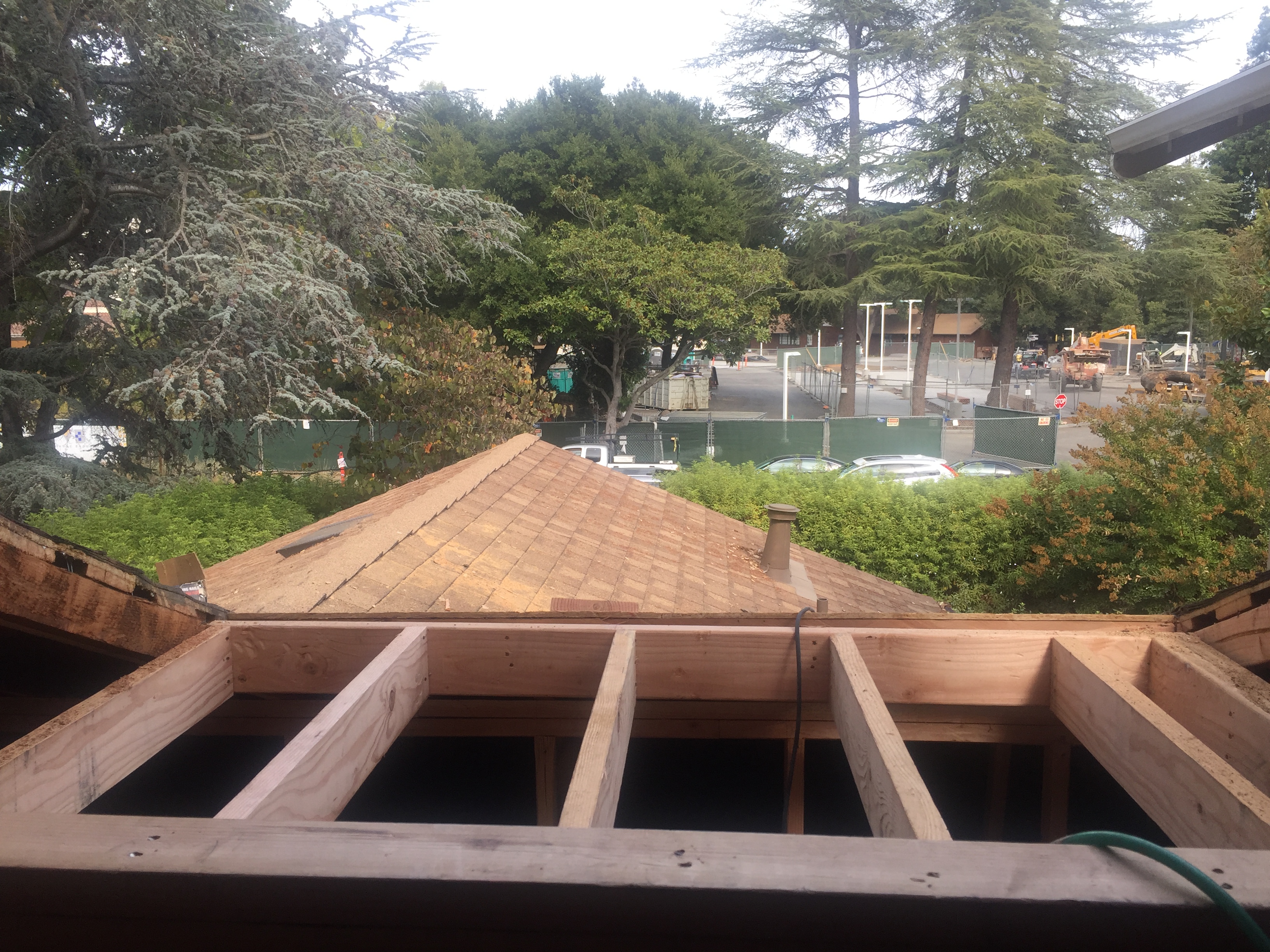
Installed second floor ceiling and sub roof.

They added more walls to separate new master closet/bath with new bedroom and frame out the master bath shower and closet.

They cut out the roof to accommodate the new bedroom dormer egress window.